
Comparing Residential vs. Commercial Landscaping Needs


Understanding the Basics of Landscaping
Landscaping is more than just planting a few flowers or trimming the hedges. It involves a comprehensive approach to designing, installing, and maintaining outdoor spaces. The needs of residential and commercial properties differ significantly, and understanding these differences is crucial for effective landscaping.
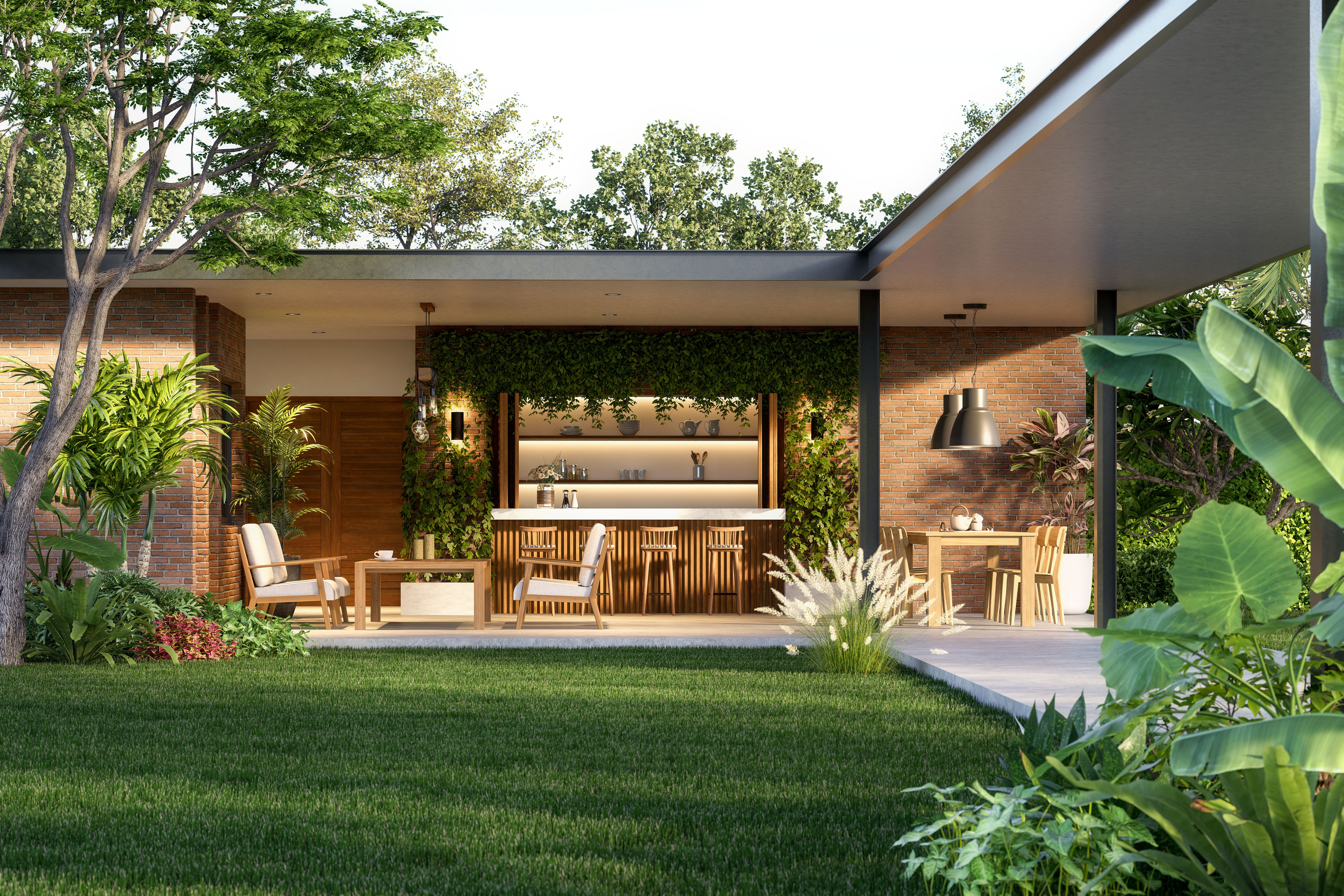
While residential landscaping typically focuses on creating a personalized and comfortable environment, commercial landscaping is geared towards functionality and aesthetic appeal that can attract customers and enhance brand image. Let's explore these differences in more detail.
Residential Landscaping Needs
Personal Aesthetic and Comfort
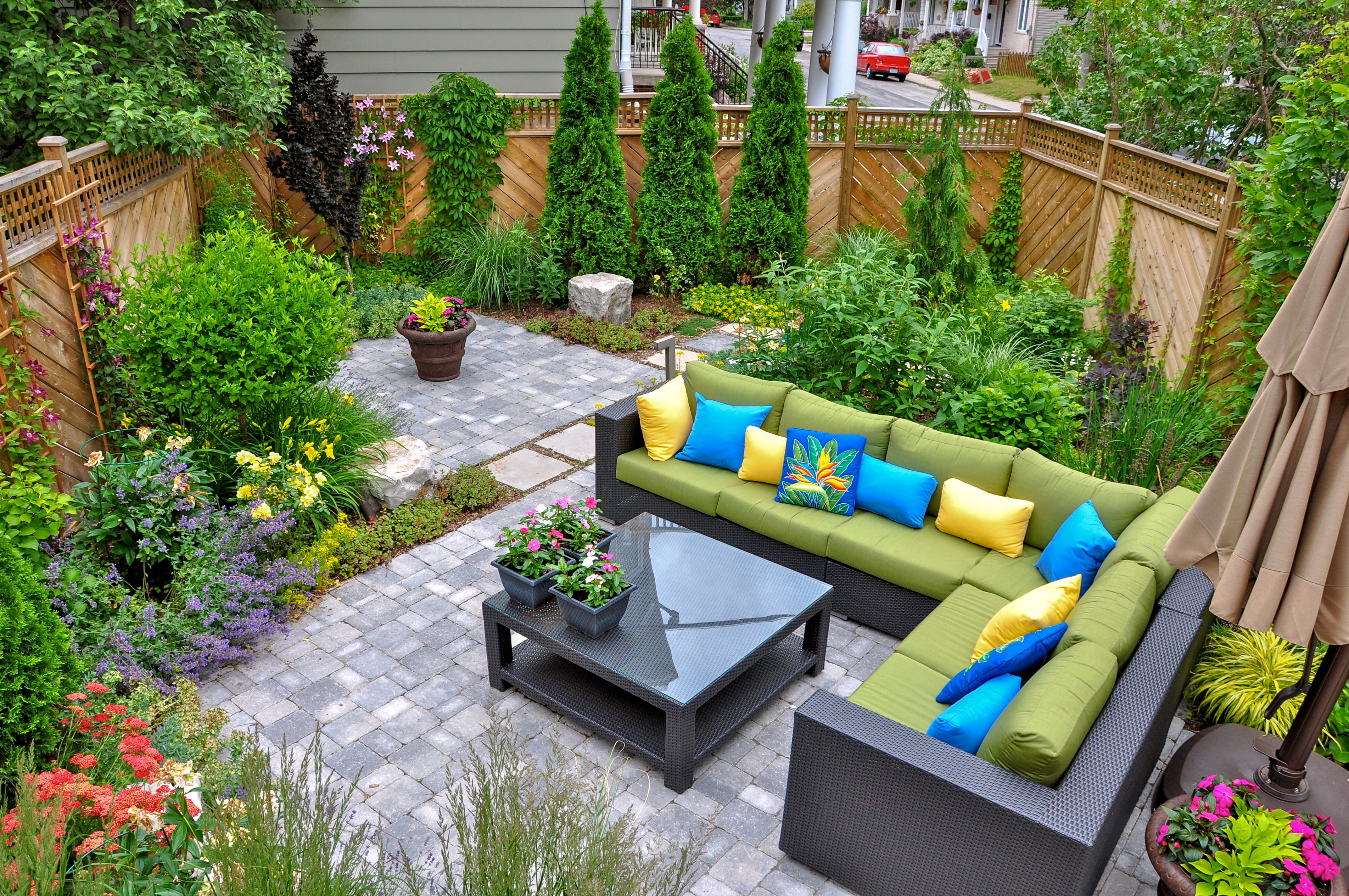
Residential landscaping is all about creating a space that reflects the homeowner's personal taste and lifestyle. Homeowners often prioritize elements like gardens, patios, and lawns that provide a soothing environment. These areas are designed for relaxation and enjoyment, often including features such as water fountains or fire pits.
Moreover, privacy is a significant concern for residential properties. Homeowners may want to include hedges, fences, or trees to create a secluded oasis away from the outside world. Maintenance is typically more manageable, focusing on seasonal care and personal preferences.
Budget and Scale
Budget plays a critical role in residential landscaping. Homeowners may have limited resources, which requires careful planning and prioritization of features. The scale of residential landscaping is often smaller, focusing on enhancing the home's curb appeal and creating a functional outdoor living space.
Commercial Landscaping Needs
Functionality and Brand Image
For commercial properties, landscaping is more than just aesthetics; it is a strategic tool to enhance business appeal. The landscaping should reflect the brand's identity and create a welcoming atmosphere for clients and employees. Features such as pathways, signage, and lighting are essential for guiding visitors and ensuring safety.
Commercial landscaping also needs to accommodate a higher volume of foot traffic. Durable materials and low-maintenance plants are often used to ensure the landscape can withstand daily wear and tear while remaining attractive.

Regulations and Sustainability
Commercial properties often face more stringent regulations related to landscaping. These can include guidelines for water usage, plant selection, and environmental impact. As a result, sustainability becomes a crucial consideration, with businesses opting for eco-friendly practices and materials.
Green spaces in commercial areas can contribute to environmental goals, such as reducing the urban heat island effect and improving air quality. Incorporating native plants and efficient irrigation systems are common strategies to achieve these objectives.
Conclusion
Whether it’s a cozy backyard or a sprawling corporate campus, landscaping plays a vital role in shaping outdoor spaces. By understanding the distinct needs of residential and commercial properties, one can create landscapes that are not only beautiful but also functional and sustainable. Tailoring the approach to meet specific needs ensures that both homeowners and businesses can enjoy the benefits of well-designed outdoor environments.