
Sustainable Landscaping Practices for Eco-Friendly Yards


Understanding Sustainable Landscaping
Sustainable landscaping is about creating outdoor spaces that are both environmentally friendly and visually appealing. This approach minimizes water use, reduces waste, and promotes biodiversity. By adopting sustainable practices, homeowners can enjoy beautiful gardens while contributing positively to the environment.
Choosing Native Plants
One of the foundational steps in sustainable landscaping is the selection of native plants. Native species are adapted to local climates and soil conditions, requiring less water and maintenance. They also provide essential habitats for local wildlife, supporting biodiversity.
When choosing plants, consider their water needs, growth habits, and compatibility with existing garden elements. This ensures a harmonious and efficient landscape that thrives naturally.
Efficient Water Management
Water conservation is a critical aspect of sustainable landscaping. Implementing efficient irrigation systems, such as drip irrigation or soaker hoses, can significantly reduce water usage. These systems deliver water directly to the roots, minimizing evaporation and runoff.
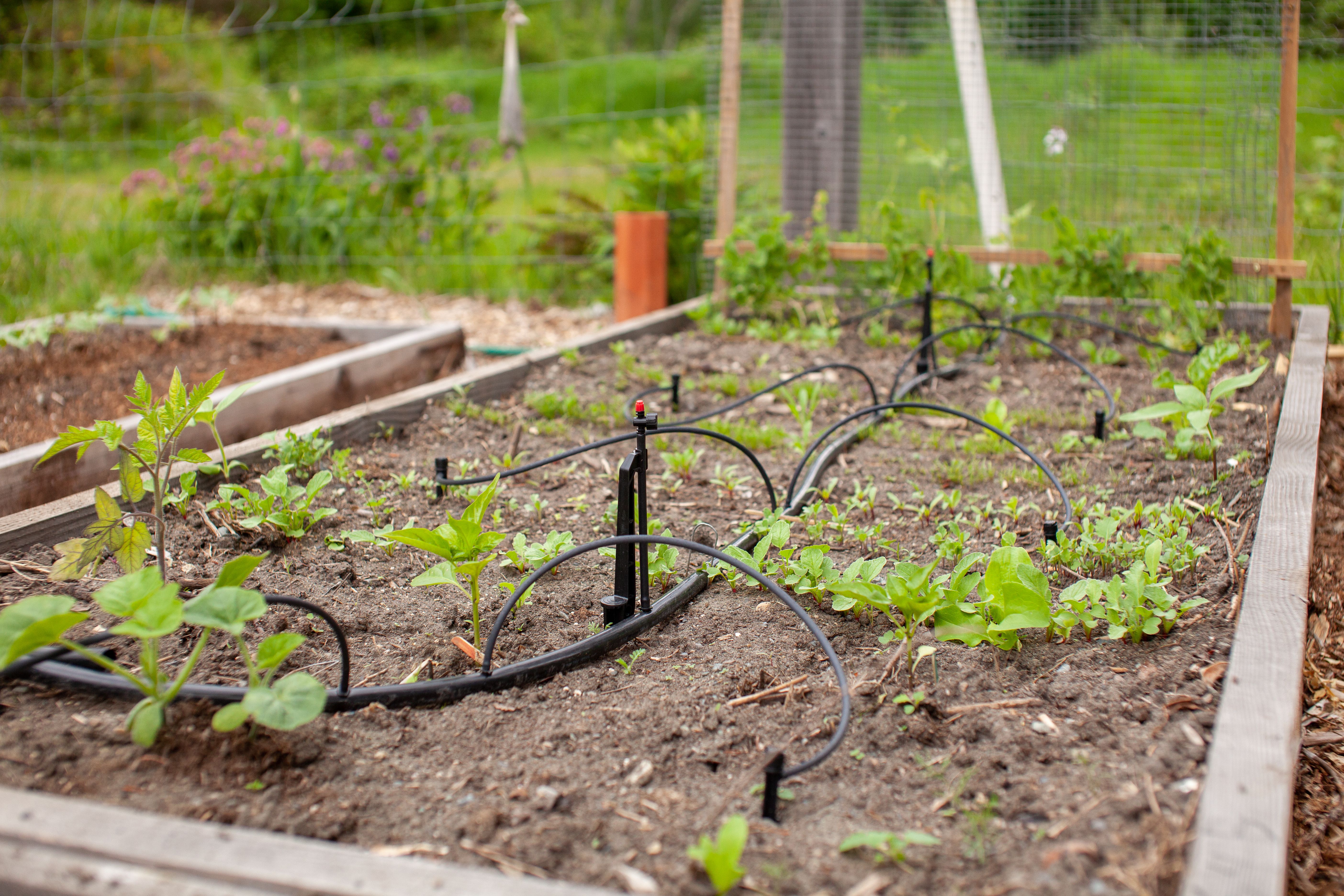
Additionally, incorporating rain barrels and rain gardens can help capture and utilize rainwater, further supporting water conservation efforts in your yard.
Soil Health and Composting
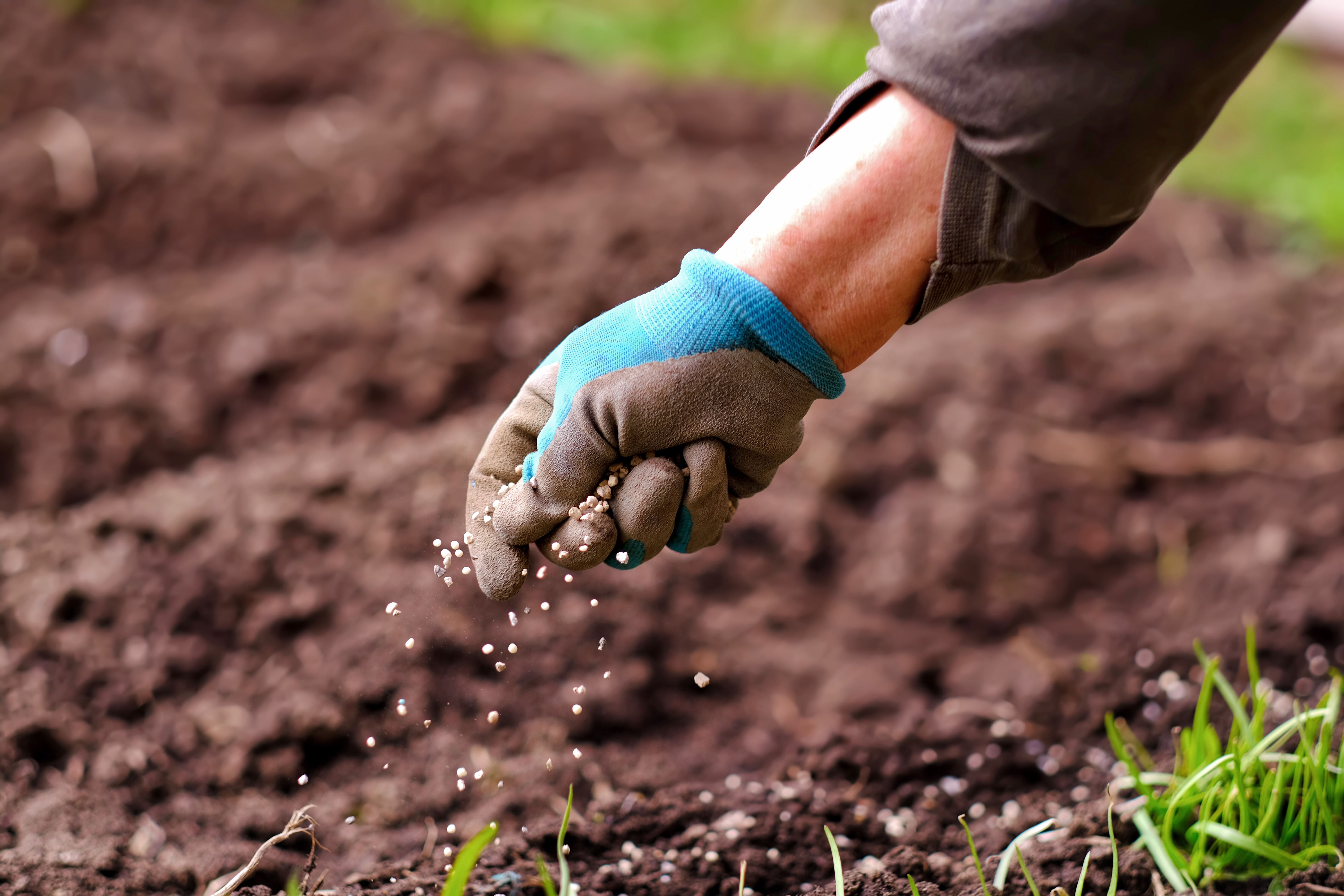
Healthy soil is the foundation of a thriving garden. By enhancing soil health through composting, gardeners can reduce the need for chemical fertilizers. Composting involves recycling organic waste, such as kitchen scraps and yard clippings, to create nutrient-rich soil amendments.
Not only does composting improve soil structure and fertility, but it also reduces landfill waste, making it a win-win for both your garden and the environment.

Eco-Friendly Lawn Care
Traditional lawns can be resource-intensive, but sustainable practices offer greener alternatives. Consider reducing lawn size by expanding garden beds or replacing grass with groundcover plants that require less water and mowing.
For existing lawns, practice responsible mowing by setting mower blades higher to promote deeper root growth and reduce water needs. Using electric or manual mowers can also cut down on emissions.
Benefits of Mulching
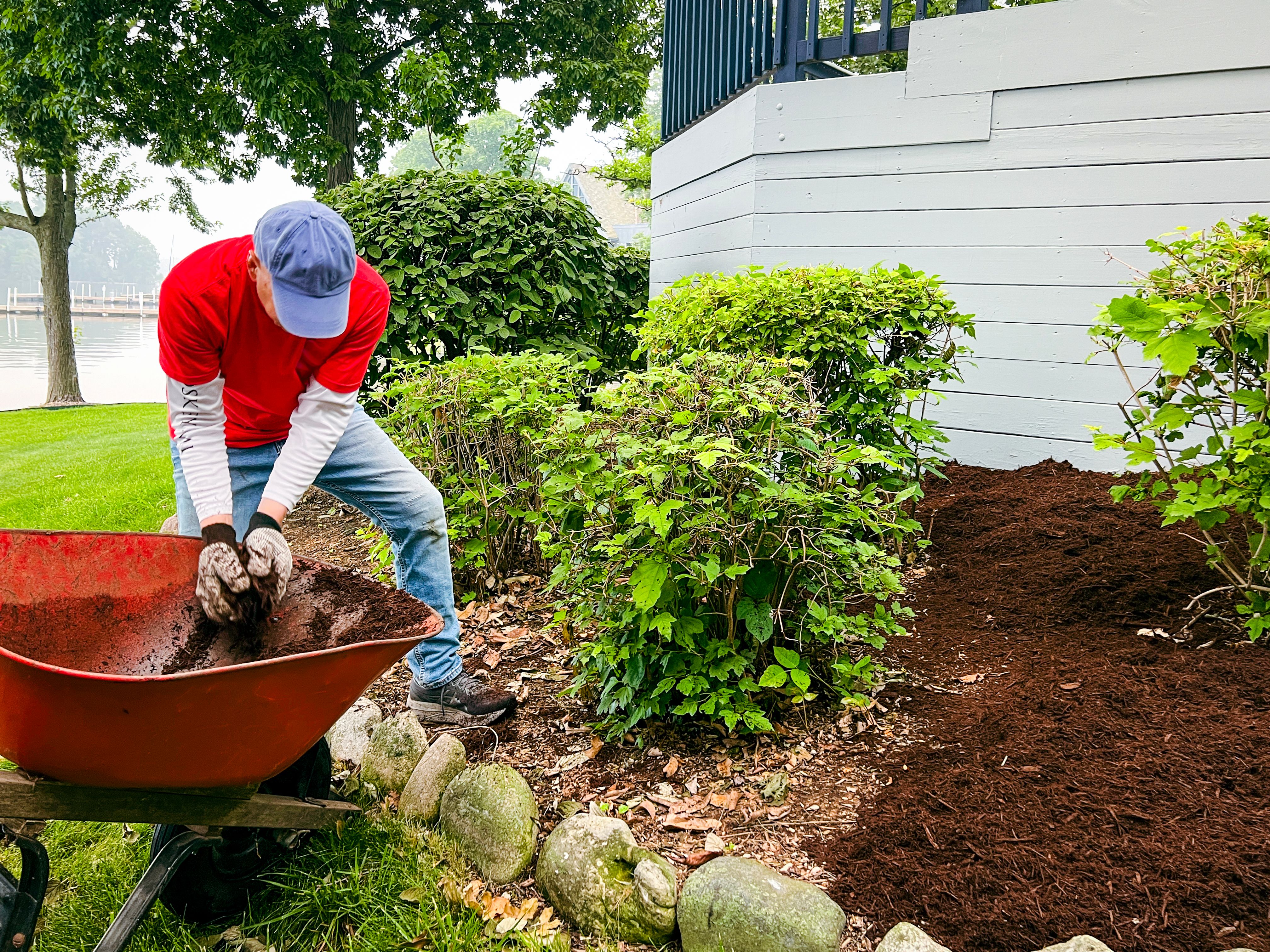
Mulching is an excellent way to conserve moisture, suppress weeds, and enrich the soil. Organic mulches, such as bark or wood chips, decompose over time, adding nutrients back into the soil. Mulch also helps maintain a consistent soil temperature, protecting plant roots during extreme weather conditions.
Encouraging Wildlife
Creating a wildlife-friendly garden can help support local ecosystems. By providing food, water, and shelter, you can attract beneficial insects, birds, and other wildlife. Consider installing bird baths, nesting boxes, and planting a variety of flowering plants to encourage pollinators.
These efforts not only enhance the ecological value of your yard but also contribute to a dynamic and vibrant garden environment.
Conclusion
Adopting sustainable landscaping practices is a rewarding journey that benefits both your garden and the planet. By making thoughtful choices and implementing eco-friendly techniques, you can create a beautiful, resilient, and sustainable outdoor space that thrives for years to come.