
The Latest Trends in Sustainable Landscaping You Need to Know


Introduction to Sustainable Landscaping
Sustainable landscaping is not just a trend; it's a revolution in how we interact with our outdoor spaces. With increasing awareness about environmental impact, homeowners and businesses are turning to eco-friendly practices to create beautiful, sustainable landscapes. Here are the latest trends you need to know to stay ahead in sustainable landscaping.
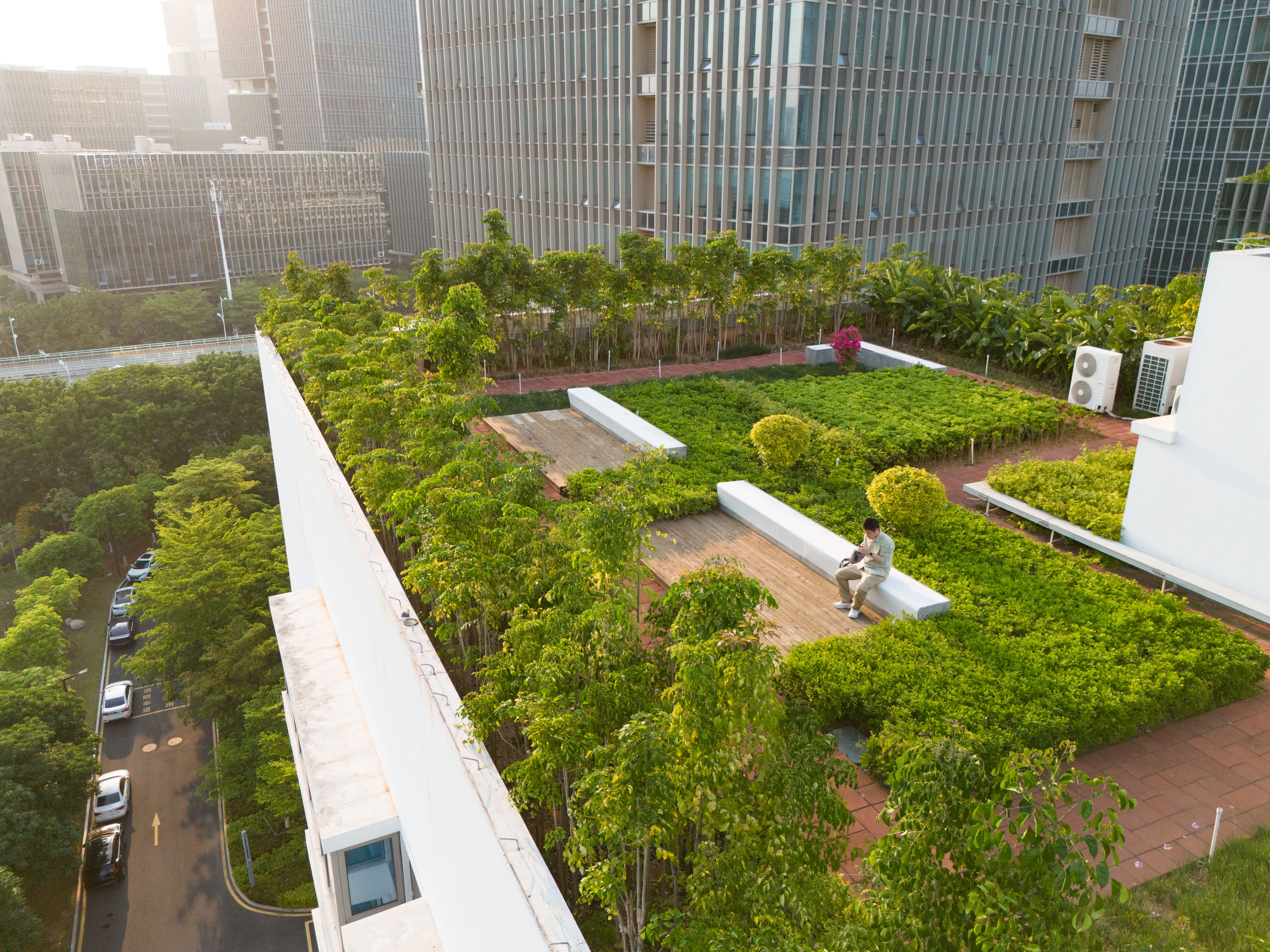
Native Plantings
One of the most significant shifts in sustainable landscaping is the use of native plants. These plants are adapted to the local environment, requiring less water and maintenance. They support local wildlife, including bees and butterflies, which are essential for a healthy ecosystem. By choosing native species, you create a self-sustaining landscape that thrives with minimal intervention.
Water Conservation Techniques
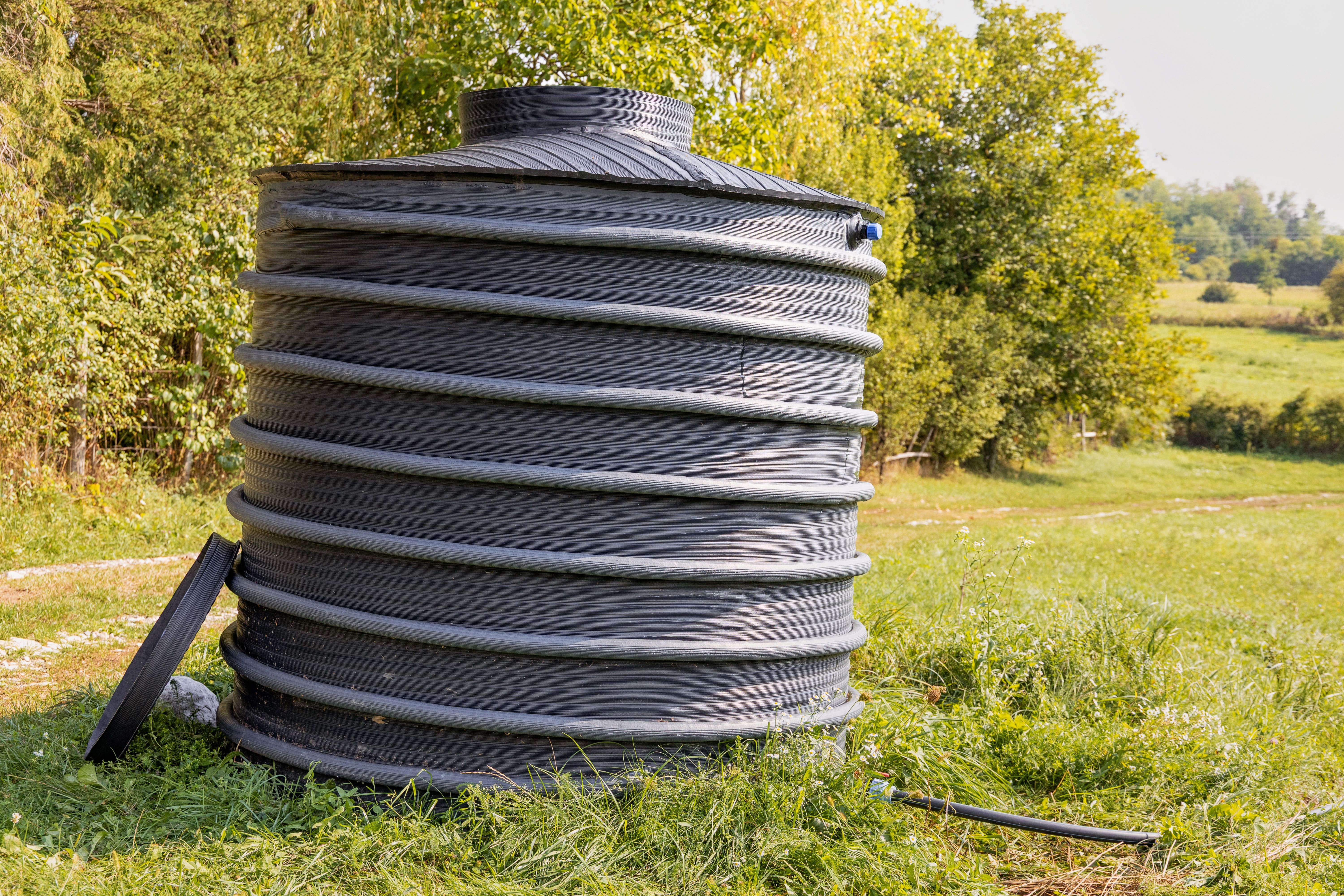
Water conservation is a cornerstone of sustainable landscaping. Techniques such as rainwater harvesting, drip irrigation, and xeriscaping help reduce water usage while maintaining lush, vibrant gardens. By implementing these methods, you not only save on water bills but also contribute to the preservation of this precious resource.
Edible Landscaping
Edible landscaping is gaining popularity as people look to grow their own food sustainably. Integrating vegetables, fruits, and herbs into your landscape design provides fresh produce right at your doorstep. This approach not only enhances biodiversity but also promotes a healthy lifestyle.
Designing an Edible Landscape
When designing an edible landscape, consider the aesthetic appeal as well as functionality. Mix traditional ornamental plants with edible varieties for a visually appealing and productive garden. Popular choices include berry bushes, fruit trees, and herb borders.
Use of Eco-Friendly Materials
Another trend is the use of sustainable materials in landscaping projects. Recycled materials, such as reclaimed wood and recycled concrete, are being used to create pathways, decks, and garden structures. These materials reduce waste and lower the carbon footprint of your landscaping efforts.
Smart Technology Integration
Technology is playing a significant role in sustainable landscaping. Smart irrigation systems, for example, can automatically adjust watering schedules based on weather conditions, ensuring efficient water use. Solar-powered garden lights provide energy-efficient illumination, enhancing both security and aesthetics.
Conclusion
Embracing these trends in sustainable landscaping not only benefits the environment but also adds value to your property. By focusing on native plantings, water conservation, edible landscaping, eco-friendly materials, and smart technology, you create a landscape that is both beautiful and sustainable. Stay ahead of the curve by incorporating these practices into your landscaping projects today.